
Why Are Niacinamide Drops So Easy to Buy Wrong?
If your niacinamide drops still haven’t changed your skin after a month, the problem is probably the formula fit, not your effort. Most buyers chase glow, but they skip the three things that actually decide whether the product works: concentration, finish, and whether your routine can tolerate daily use. The American Academy of Dermatology keeps making the same point about hyperpigmentation and dullness: if you keep irritating the skin, you keep resetting the clock.
This guide is for the moment you’re done guessing. I’ve watched smart shoppers buy beautiful-looking drops, use them inconsistently, and then blame themselves when nothing changes. That’s not a discipline problem. It’s a buying problem, and the fix is to know what to look for before you spend. If you want a closer routine map, start with our brightening routine basics.
How Much Niacinamide Do Niacinamide Drops Need?
Concentration is the first thing I check because it tells you whether the bottle is gentle maintenance or real correction. For most buyers, niacinamide in the 2% to 5% range is the sweet spot for daily use, while stronger formulas can be fine if your skin already knows the ingredient. A small clinical study frequently cited in cosmetic dermatology found that 5% niacinamide improved hyperpigmentation and texture after about eight weeks, which is why this range gets so much attention.
Niacinamide Drops Strength
What matters isn’t just the number on the bottle, it’s whether that number is supported by the rest of the formula. Dr. Joshua Zeichner has often said niacinamide is one of the most versatile brightening ingredients because it supports both tone and barrier function, but only if the product is actually usable every day. Evaluate concentration by checking whether the brand discloses it, whether the serum looks light enough for regular wear, and whether your skin has tolerated niacinamide before. If you’re new, start on the lower end and move up only when your skin stays calm.
The best label check is simple. Look for a disclosed percentage, then look for signs that the formula is built for consistency rather than drama. If you need a cheat sheet, our ingredient label checklist makes this easier.
Do Niacinamide Drops Need to Feel Invisible on Skin?
Yes, because a serum you can see, feel, or hate wearing will not survive the second week. If the finish is greasy, pilling under sunscreen, or leaving a tacky shine that catches in makeup, you’ll start skipping it. That’s why texture is not cosmetic fluff; it’s the difference between a serum that becomes a habit and one that becomes a regret. Makeup artists and dermatologists both point to wearability as the real reason people abandon otherwise good products.
Evaluate finish the same way I do in real life: on bare skin, under SPF, and under foundation. Dr. Hadley King often reminds patients to choose skincare they’ll actually use under their normal routine, not just a product that sounds nice on paper. If your face gets shiny by lunch or your base starts separating, the glow is working against you. That is a fail, not a feature.
Do Supporting Ingredients Matter More Than the Glow Claim?
Absolutely, because niacinamide works better when the rest of the formula stops the skin from overreacting. Hydrators like glycerin and hyaluronic acid, plus lightweight emollients, help the skin feel comfortable enough to keep using the serum. A 2022 review in Cosmetics found that well-formulated moisturising support can improve product adherence because people tolerate the routine better, and tolerance is half the battle.
The ingredient list should read like a support crew, not a perfume ad. Watch for added fragrance if your skin is touchy, look for humectants if your face feels tight, and don’t be fooled by one flashy botanical if the base is thin. If you care about comfort, compare it against our makeup-friendly serum guide.
Glow only counts when you can wear the serum long enough to let the glow happen.
How Fast Should Niacinamide Drops Work?
Fast is fine, but realistic is better. Niacinamide is not usually a one-night miracle, and that’s actually a good sign because skin that calms down slowly tends to stay calm longer. In practice, most people notice a smoother look first, then better tone after several weeks, which matches the way dermatology papers describe pigment and barrier repair. Dr. Shereene Idriss is blunt about this: consistency beats intensity every time.
Evaluate speed by asking what kind of change you want. If you want an instant glow, you’re really asking for finish and light reflection. If you want actual spot fading, you need a formula you can use long enough for visible turnover to happen. That usually means at least 6 to 8 weeks of regular use before you judge the bottle.
Can Niacinamide Drops Be Used Every Day Without Irritation?
Daily use is the whole point, which is why irritation risk matters so much. The AAD repeatedly warns that brightening routines fail when people overdo actives or mix in too many harsh steps, because inflammation can make uneven tone look worse. A good serum should feel boring in the best possible way: no sting, no redness, no urgent need to skip days.
Check the formula like a cautious buyer, not a hopeful one. Fragrance, very strong acids, and a heavy sticky base can all turn a good ingredient into an annoying product. Use a patch test if your skin is reactive, and ask whether you could put this on both Monday and Thursday without dreading it. If the answer is no, it’s the wrong drop for you.
| Factor | What you want | Red flag | Simple test |
|---|---|---|---|
| Speed | Smoother look within 6-8 weeks | Promises overnight spot erasing | Can you stick with it long enough? |
| Daily tolerance | No sting, no pilling, no redness | Feels hot, heavy, or itchy | Can you wear it every day? |
What Price Tier Should You Expect for Niacinamide Drops?
Price tells you where a serum sits in the market, but it does not automatically tell you whether it’s smart to buy. Budget formulas usually keep the ingredient list simple, mid-range formulas start adding comfort boosters, and premium drops often pay for texture, scent, packaging, and a more polished experience. Dr. Marisa Garshick’s practical advice fits here: pay more when the formula genuinely improves tolerance or finish, not because the bottle looks prettier.
Think in lanes, not in one magic number. Under ₹1,000 usually gets you a basic niacinamide serum with fewer sensory extras. ₹1,000 to ₹2,500 often gets you a better-feeling formula with better packaging. Above that, you’re paying for brand experience, texture, and a more indulgent feel, which can be worth it if you actually use it. For other budget-friendly options, see our budget skincare picks.
| Price tier | What you usually get | Who it suits | Buying risk |
|---|---|---|---|
| Under ₹1,000 | Simple serum, basic bottle, fewer extras | First-time buyers, students, cautious testers | Texture may feel plain |
| ₹1,000-₹2,500 | Better finish, better packaging, more comfort support | Routine builders, daily users | Still varies a lot by brand |
| ₹2,500+ | Premium feel, polished texture, brand-led experience | People who care about wear and luxury | Paying extra for marketing is easy |
| Primary product band | Dewy-skincare buyers | Worth it only if you love the finish |
Are Niacinamide Drops Worth the Price?
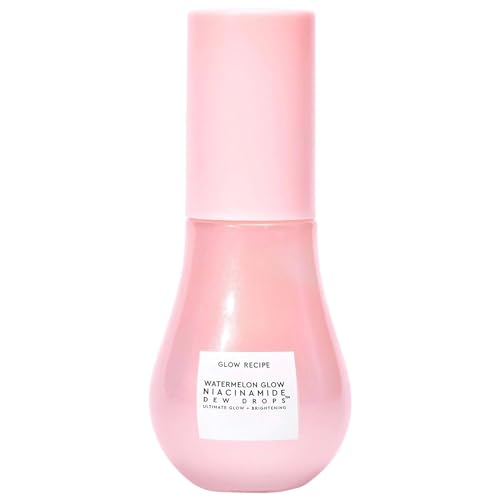
The primary pick is Glow Recipe Watermelon Glow Niacinamide Dew Drops, and it wins if you want a premium glow serum that feels like skincare and makeup at the same time. The Amazon listing is for 40 mL, the current price usually lands around ₹4,200, and the listing rating sits near 4.4/5. That’s not cheap, but it makes sense if you care about finish as much as brightening.
Here’s how I’d score it against the five factors above.
- Concentration: 7.5/10 because it’s more about wearable glow than hard correction.
- Finish: 9.5/10 because this is where it really shines.
- Supporting ingredients: 8.5/10 for the hydration feel.
- Speed: 7/10 because you’ll notice dewiness sooner than pigment change.
- Daily tolerance: 8/10 if your skin likes lightweight, glossy formulas.
If you want the premium version of glow, this is the cleanest buy on the list.
What Are the Best Alternatives to Niacinamide Drops?
If the primary pick feels too pricey or too glossy, you still have smart options. The best alternative depends on whether you want a lower ticket, a stronger correction step, or a more hydrating finish. I’d rather you buy the right level of product than force a premium serum into a routine that does not suit it.
My rule is simple: choose the alternative that solves your actual complaint. A dermatologist like Dr. Whitney Bowe would tell you to match the actives to the problem and keep the rest of the routine calm. That keeps your chances of sticking with it much higher.
Minimalist 5% Niacinamide Serum
Buy this if your budget is tight and you want a no-frills daily serum. A basic 5% niacinamide formula is the closest thing to a safe starter option. It usually gives you good tone support, a light finish, and enough simplicity that you can pair it with sunscreen without thinking too hard.
Pros
- Lower price
- Easier to understand
- Good starter concentration
Cons
- Less glamorous finish
- Not as indulgent under makeup
Buy if you want function first and shine later.
The Ordinary Niacinamide 10% + Zinc 1%
Buy this if oil control matters more than glow aesthetics. It’s a stronger-feeling, very direct option for people who like a straightforward active and don’t mind a more clinical vibe. The zinc angle makes it popular with oily-skin buyers who want less shine by midday.
Pros
- Strong reputation
- Good for oily skin
- Usually better value
Cons
- Can feel too active
- Not as elegant on dry skin
Buy if your skin is oily, not if it’s easily irritated.
COSRX Hydrium or a hydrating glow serum
Buy this if your real problem is dehydration more than pigment. Sometimes the face looks dull because it’s thirsty, not because it needs a stronger brightener. A hydrating serum with niacinamide or supporting humectants can make more sense than a pure glow serum if your skin feels tight after washing.
Pros
- Comfortable daily wear
- Better if your barrier is fussy
- Plays well with other actives
Cons
- Less visible brightening punch
- May not satisfy spot-fading shoppers
Buy if comfort is your first priority.
Frequently Asked Questions About Niacinamide Drops
These are the questions I’d ask before buying any niacinamide drops. They matter because ingredient labels can look impressive while the routine around them stays broken. Keep the answers simple and you’ll make a much better choice.
The AAD and multiple cosmetic dermatology reviews keep circling back to the same point: brightening only works when you’re realistic about your skin, your sun exposure, and how much irritation you can tolerate. That’s why these answers are direct, not salesy.
Are niacinamide drops worth buying for dull skin?
Yes, they’re worth it if your main issue is dullness, rough texture, or makeup that never looks fresh. Niacinamide supports the barrier and can make skin look more even when you use it consistently with sunscreen. If you want a calm glow routine, it’s a smart category to try.
How long before niacinamide drops show results?
Expect smoother-looking skin first, then tone changes later. A lot of people notice a better finish within a few weeks, while marks usually need closer to 6 to 8 weeks. That timeline lines up with what dermatologists say about brightening and turnover.
Can I use niacinamide drops with vitamin C?
Yes, if your skin tolerates both ingredients. Some people layer them, some separate them between morning and night. Cleveland Clinic and AAD-style advice both come back to the same rule: don’t overload your skin if it already gets irritated easily.
Are niacinamide drops safe for sensitive skin?
Usually yes, but only if the formula is gentle enough. Sensitive skin tends to do better with low fragrance, lightweight textures, and a shorter ingredient list. Patch test first if you’re reactive, because one annoying bottle can ruin the whole category for you.
Do niacinamide drops replace moisturiser?
No, they don’t replace moisturiser. Think of them as a treatment step, not the final seal. If your skin feels tight, you still need a proper cream or lotion on top, especially at night or in dry weather.
Should I buy the Glow Recipe premium option or a cheaper serum?
Buy the premium option if finish matters to you as much as the ingredient list. If you just want correction, a cheaper 5% niacinamide serum is probably smarter. If you want the dewy look and the pleasure of using it, the Glow Recipe route makes sense.
Final Verdict: Which Niacinamide Drops Should You Buy?
Buy the primary pick if you want the prettiest, easiest-to-love result. Glow Recipe Watermelon Glow Niacinamide Dew Drops is the smartest premium buy here because it nails the part many serum buyers secretly care about most: it looks good on skin and feels easy to wear every day.
Affiliate note: prices shift on Amazon, so check the current listing before you buy. If you want the dewy, polished route, follow this link, confirm the price, and commit to using it long enough to matter: Check the current Amazon listing.


Comments
Leave a comment
No comments yet. Be the first to share your thoughts!