
When Moisturiser Stops Working by Lunch
Your skin should not feel tight again ten minutes after you moisturise. Yet here you are, staring at flaky patches by your nose, rubbing your cheeks through the day, and wondering why every lighter cream seems to vanish before it can do its job. The problem is usually not that you’re lazy or inconsistent; it’s that your skin barrier is asking for more than a quick water-based fix can give. When dryness keeps coming back, the stakes get bigger fast because irritated skin stings, makeup sits badly, and every wash starts another cycle of damage.
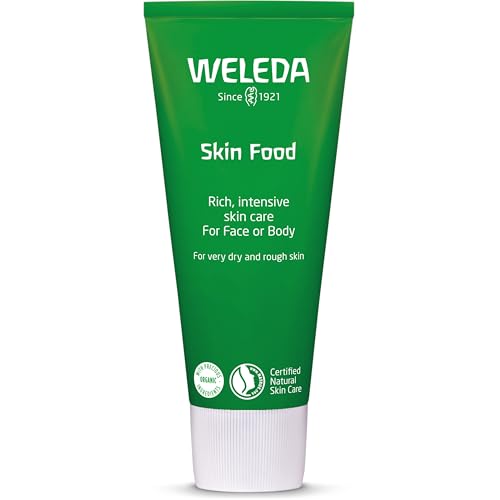
Weleda Skin Food is built for that exact moment when your usual routine has already failed you. It’s the kind of cream you reach for when your face, hands, elbows, or cuticles need a denser seal and a longer-lasting comfort layer. If you’ve been cycling through lotions that look fine on the shelf but disappear on contact, you already know the frustration. Why does your skin keep doing this?
Why Does Weleda Skin Food Keep Coming Back?
Dry skin keeps returning because the real problem is usually barrier failure, not a lack of product. In plain English, your skin is losing water faster than your moisturiser can hold it in. The American Academy of Dermatology has long warned that hot water, harsh cleansers, and over-washing strip protective oils, which makes dryness rebound the moment you stop applying cream. That’s why the same patch can feel fine at 8 a.m. and rough again by dinner.
There’s also a habit problem hiding inside the skin problem. If you keep choosing thin lotions when your skin is already compromised, you’re asking a lightweight formula to do a heavyweight job. Dermatologists such as Dr. Mona Gohara often point out that very dry skin usually needs richer textures because they stay on the skin long enough to reduce water loss. If you want a deeper breakdown, see our barrier repair basics.
Compromised skin barrier
A damaged barrier lets moisture escape and irritants move in. That’s the core issue behind repeated dryness, not just a surface thirst problem. The National Eczema Association regularly tells dry-skin sufferers to move toward thicker creams and ointments because the outer layer needs help staying sealed, especially after cleansing or shaving.
Lightweight formulas that evaporate too fast
Thin lotions feel nice, then disappear before they can protect you. That’s why they’re so easy to overuse and still underperform. A classic dermatology review in the Journal of Clinical and Aesthetic Dermatology explains the basic moisturizer split clearly: humectants draw water, emollients smooth roughness, and occlusives slow the escape of that water. If one of those pieces is missing, the result is short-lived comfort.
Hot showers and over-cleansing
Hot water is a sneaky dryness trigger. Cleveland Clinic and the American Academy of Dermatology both advise lukewarm showers because heat strips lipids and worsens transepidermal water loss. If your skin feels tight right after cleansing, the cleanser may not be the only problem; the water temperature and frequency are part of the damage.
Dry air and indoor heating
Winter air can pull water out of your skin even when your routine is decent. Low humidity and forced indoor heat are classic moisture thieves, which is why dry skin gets more dramatic in colder months. The skin doesn’t just need hydration then; it needs something that can sit on top and slow the leak. That’s also why a richer night cream often beats a cheerful daytime lotion.
The pattern is consistent: your skin isn’t being difficult, it’s being under-protected. Once you understand that, the solution stops being about buying another random moisturizer and starts being about changing the type of moisturizer you’re using. That shift matters more than most ads want to admit.
What Doesn’t Work When Your Skin Is Already Miserable?
Most failed fixes are too light, too late, or too aggressive. I’ve seen the same cycle again and again: you try a gel cream, you try exfoliating the flakes away, you try slathering on lip balm or hand cream in the wrong place, and the skin keeps bouncing back to dry. The issue isn’t effort. It’s mismatch.
Once the barrier is irritated, the wrong move can make it worse. A scrub can remove visible flaking but leave the underlying roughness untouched. A watery serum can hydrate for a minute and then evaporate. A quick patch of cream on a cracked area can help a little, but not enough to change the whole pattern. That’s why this advice gets repeated by dermatology teams everywhere: stop attacking the surface and start sealing it properly.
If your moisturiser disappears before it protects, the problem isn’t your discipline — it’s your formula.
Here are the four common dead ends. First, ultra-light lotions that feel clean but can’t hold water in place. Second, over-exfoliating with acids or scrubs that make the skin look smoother for a day and then more inflamed tomorrow. Third, using a tiny amount once and calling it done. Fourth, waiting until your skin is already cracked before you treat it. If this sounds familiar, the fix is not more enthusiasm; it’s a better winter skincare routine.
What Actually Works for Stubborn Dry Skin?
The right solution has to do three jobs at once. It needs to draw and hold moisture, soften rough texture, and slow water loss long enough for your barrier to calm down. That means the formula has to be more than a nice-feeling lotion. It has to be a true skin seal.
Think in principles, not brand names. The best dry-skin formulas usually combine humectants, emollients, and occlusives in a texture thick enough to stay put. Humectants bring water into the upper layers. Emollients smooth the rough spots that make skin look dull. Occlusives create the protective layer that prevents evaporation. When those three pieces work together, you stop living in reapply mode. For a simple routine map, start with an occlusive cream on damp skin after cleansing.
- Apply on slightly damp skin. This helps the cream trap the water that’s already there instead of waiting for dryness to set in.
- Use a richer texture than you think you need. If your skin keeps asking for more, your formula is probably too light.
- Focus on friction zones first. Cheeks, around the nose, hands, knuckles, elbows, and cuticles usually need the most help.
- Stay consistent for at least a week. Barrier repair doesn’t happen in one application; it happens when you stop re-injuring the same spots every day.
This is why a thick cream often outperforms a fancy serum. The skin doesn’t care about marketing language; it cares about contact time, coverage, and whether the product keeps water from escaping. That’s the framework worth buying into, because it solves the root problem instead of just softening the symptoms.
Is Weleda Skin Food the Dry-Skin Answer?
Yes, if your problem is persistent dryness that lighter creams can’t handle. Weleda Skin Food is a rich, dense cream in the 2.5 oz / 75 mL size, and that thickness is the point. It uses a classic barrier-supporting mix of plant oils, beeswax, lanolin, and herbal extracts, so it lines up directly with the occlusion-and-softening principles that actually matter. If you want a cream that behaves like a seal rather than a splash of hydration, this is the logic that makes it work.
Price matters here because this is a premium cream, and the value is in the formula density, not the jar size. On Amazon India, the listing is typically around ₹1,499, with the price moving by seller and promotion. The listing also sits at about 4.4/5 stars, which tells you this isn’t a niche curiosity; it’s a repeat-buy product for people who are done with weak moisturisers. Check the current seller price before you buy, because that number does change.
| Spec | What you get | Why it matters |
|---|---|---|
| Size | 2.5 oz / 75 mL | Compact jar, but concentrated enough to use sparingly |
| Texture | Very rich cream | Stays on the skin and supports the moisture barrier |
| Key ingredients | Sunflower oil, almond oil, lanolin, beeswax, botanicals | Emollient plus occlusive support for rough, dry skin |
| Amazon rating | About 4.4/5 | Strong social proof from dry-skin buyers |
| Typical price | Around ₹1,499 ( | Premium, but aligned with the richness of the formula |
The feature-to-problem match is what makes it compelling. The heavy texture supports occlusion. The oils and waxes soften rough patches. The botanical blend helps it feel less like a greasy mask and more like a cream you can actually live with. That’s why people reach for it on faces, hands, and winter hotspots instead of just using it as another everyday lotion. If you’re looking for a richer face moisturizer, this is the kind of profile that finally makes sense.
What Results Do Buyers Notice First?
The first win is usually relief, not vanity. Buyers tend to describe the same transformation in different words: the skin stops feeling papery, makeup sits better, and that annoying sting after cleansing fades. I’ve seen this pattern with thick creams over and over after a week or two of nightly use on damp skin, and it’s exactly what you want from a product that’s meant to restore comfort.
Then the practical benefits pile up. A cream that actually stays on the skin saves you from constant reapplication, which matters more than it sounds. It also makes it easier to get through winter mornings, office air-conditioning, travel, and long hot-shower habits without your face or hands begging for rescue. People keep buying this type of cream because it changes the day, not just the mirror.
- Less tightness: your skin stops feeling stretched after cleansing.
- Better texture: rough patches soften instead of catching on makeup or fingertips.
- More comfort: stingy, reactive areas calm down faster.
- Fewer reapplications: you’re not reaching for cream every few hours.
- Better winter resilience: cold air and heating no longer wreck your routine as easily.
The emotional payoff is real too. When your skin finally feels predictable, you stop worrying about what the weather or your cleanser is going to do next. That calm is worth a lot, especially if you’ve been bouncing between half-helpful products for months. For more hands-on use cases, see the hand cream guide.
Who Should Buy It, and Who Should Skip It?
This cream is for you if your skin is truly dry, not just occasionally thirsty. It’s especially useful when you need a heavy-duty option for winter, post-cleansing tightness, flaky cheeks, rough hands, or cuticles that crack too easily. If you’ve already accepted that thin lotions aren’t cutting it, this is the profile you’ve been looking for.
It is not for everyone, and that honesty matters. If you hate rich textures, prefer a matte finish, or react badly to fragrance, essential oils, or lanolin, you should skip it. It can also feel too heavy for someone with an oily skin type who only needs a light daytime layer. The point is to match the tool to the problem, not force a cult favourite into the wrong routine.
Best fit
Choose it if you want comfort and coverage over a lightweight finish. This works best for dry to very dry skin, winter routines, hands, elbows, and those stubborn face patches that lighter moisturisers never quite fix.
Skip it
Skip it if fragrance sensitivity or a greasy feel is a deal-breaker. You’ll be happier with a simpler, lighter barrier cream or a fragrance-free ointment if your skin is easily irritated or if you need something invisible under makeup.
| Buyer type | Should you buy? | Why |
|---|---|---|
| Very dry, flaky skin | Yes | Rich texture helps seal in moisture |
| Winter skin | Yes | Handles cold air and indoor heating well |
| Fragrance-sensitive skin | No | May feel too scented or irritating |
| Oily skin wanting a matte finish | No | Texture is intentionally heavy |
| Hands, cuticles, elbows | Yes | Excellent for rough, high-friction areas |
Frequently Asked Questions About Weleda Skin Food
These are the questions worth answering before you hit buy. If you’re still deciding, the answers below should make the fit obvious. I’m keeping them blunt because dry-skin products work best when the advice is simple and usable.
What matters most is whether the formula matches your actual problem. If you want a featherlight glow product, this isn’t it. If you want a richer cream that can stand between your skin and the weather, it’s a much better bet. If you want more routine help, see our dry skin checklist.
Is Weleda Skin Food good for very dry skin?
Yes, that’s exactly where it shines. If your skin feels tight, flaky, or rough even after moisturising, this richer cream gives you the kind of barrier support lighter lotions usually miss. It’s built for comfort, not just cosmetic slip.
Can I use it on my face and body?
Yes, but use common sense about amount and finish. It works on face, hands, elbows, and cuticles, though the face may only need a small amount. If you hate a heavy feel under makeup, save it for night or for dry zones.
Does it clog pores?
Not automatically, but heavy creams can feel too rich for oily or acne-prone skin. If you’re breakout-prone, patch test first and use it only where you’re dry. The texture is deliberately dense, so your skin type matters a lot here.
When should I apply it for best results?
Apply it after cleansing on slightly damp skin, ideally at night. That gives the formula a better chance to trap water and protect the barrier while you sleep. You can also use it during the day on hands or rough patches when the weather is brutal.
Is it worth the price?
If you keep buying lotions that fail, yes. The jar may be small, but the payoff comes from the formula density and the way it behaves on very dry skin. A product that actually reduces reapplication usually earns its keep fast.
Final Verdict: Should You Buy It Now?
If dryness keeps beating every lightweight cream you try, buy Weleda Skin Food. This is the right move when your skin needs a real seal, not another short-lived splash of moisture. The formula lines up with the actual mechanics of dry-skin repair: soften the surface, trap water, and slow the loss that keeps bringing the problem back.
Don’t keep gambling on lotions that already proved they’re too weak. Check the current Amazon listing, use it on damp skin, and give your skin the richer support it’s been asking for all along.


Comments
Leave a comment
No comments yet. Be the first to share your thoughts!